What Is Moissanite?
A silicon carbide gemstone with more fire than diamond, nearly always lab grown, at a fraction of the price. Here is what that actually means.
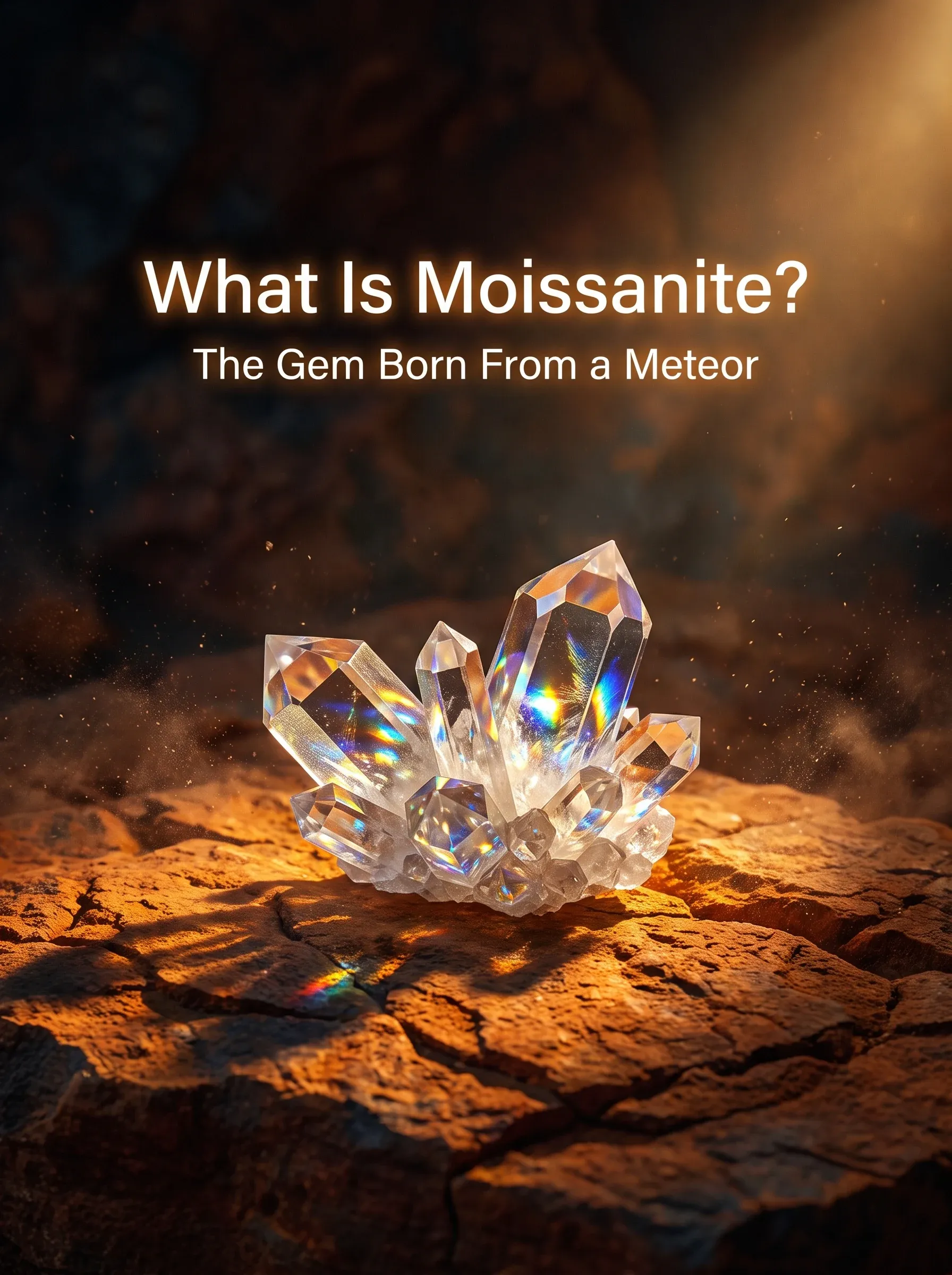
Moissanite is a gemstone made of silicon carbide, not diamond. In jewelry, it is prized for intense brilliance, vivid fire, strong durability, and a lower cost than a comparable diamond, which is why you often see it in engagement rings and fine jewelry.
If you are trying to decide whether moissanite is right for you, the key point is simple: it is a real gem with its own optical and physical properties. It looks diamond-like at first glance, but its rainbow sparkle, lab-grown origin, and value profile make it a distinct choice.
Introduction to Moissanite: Definition and Discovery
Moissanite is the gem name used for natural and lab-grown silicon carbide. Natural moissanite is extremely rare, so nearly every moissanite stone sold in modern jewelry is lab grown.
That rarity matters because it explains why moissanite has two identities at once: a naturally occurring mineral with a dramatic discovery story, and a modern lab-created gemstone used in rings, earrings, pendants, and other everyday jewelry.
The First Discovery in a Meteor Crater
Moissanite was first discovered in 1893 by French chemist Henri Moissan in material from a meteorite found in the Canyon Diablo area in Arizona. That origin is why moissanite is sometimes linked with the idea of “stardust,” although in gemology the important fact is more precise: the mineral is silicon carbide.
Because the natural material was so scarce, it never became a mainstream jewelry stone in its mined form. Natural silicon carbide remains rare enough that jewelry-grade moissanite on the market is overwhelmingly created in a lab.
Evolution Through the Years
For years after its first discovery, moissanite was more of a scientific curiosity than a practical gem for jewelry. The turning point came when researchers developed ways to grow silicon carbide crystals in laboratory conditions suitable for cutting into gemstones.
In 1995, a North Carolina company was founded and later introduced lab-grown moissanite to the jewelry market. Patent protection shaped the early market. The original U.S. patent expired in 2015 and the remaining international patents ran out over the following years. That helped broaden availability and made moissanite more familiar to shoppers comparing diamond alternatives.
The Science Behind Moissanite
To understand why moissanite looks the way it does, start with its chemistry. Diamond is made of carbon. Moissanite is made of silicon and carbon bonded together as silicon carbide. That different structure changes how light moves through the stone and how the stone performs in daily wear.
Those differences are not marketing language; they are the reason moissanite has its own identity in the gem world. It is not a fake diamond and not a diamond brand. It is a separate gemstone with separate optical behavior.
Chemical Composition: Understanding Silicon Carbide
Silicon carbide, abbreviated SiC, is the chemical composition of moissanite. In gem form, that composition gives the stone a high refractive index and strong dispersion, which is why moissanite throws off so much light.
One measured refractive index range for moissanite is 2.65 to 2.69, and its fire dispersion is often cited at 0.104. In plain English, that means moissanite bends and splits light very effectively, creating bright white flashes and noticeable rainbow effects.
Lab-Grown Versus Natural Formation
Natural moissanite forms under rare conditions and is exceptionally scarce. The version used in jewelry is grown in a lab, where controlled conditions produce silicon carbide crystals suitable for cutting.
Lab-grown moissanite offers consistency in color and clarity that is difficult to find in rare natural material. It also avoids mining, which is one reason many buyers see it as an ethical option.
Clear labeling still matters. In the United States, the FTC Jewelry Guides require clear disclosure when a gemstone is laboratory-created, synthetic, imitation, or simulated rather than mined. That protects you from confusing a lab-grown gem with a natural one and helps keep moissanite accurately represented in the jewelry market.
Optical Phenomena: Brilliance, Fire, and Rainbow Effects
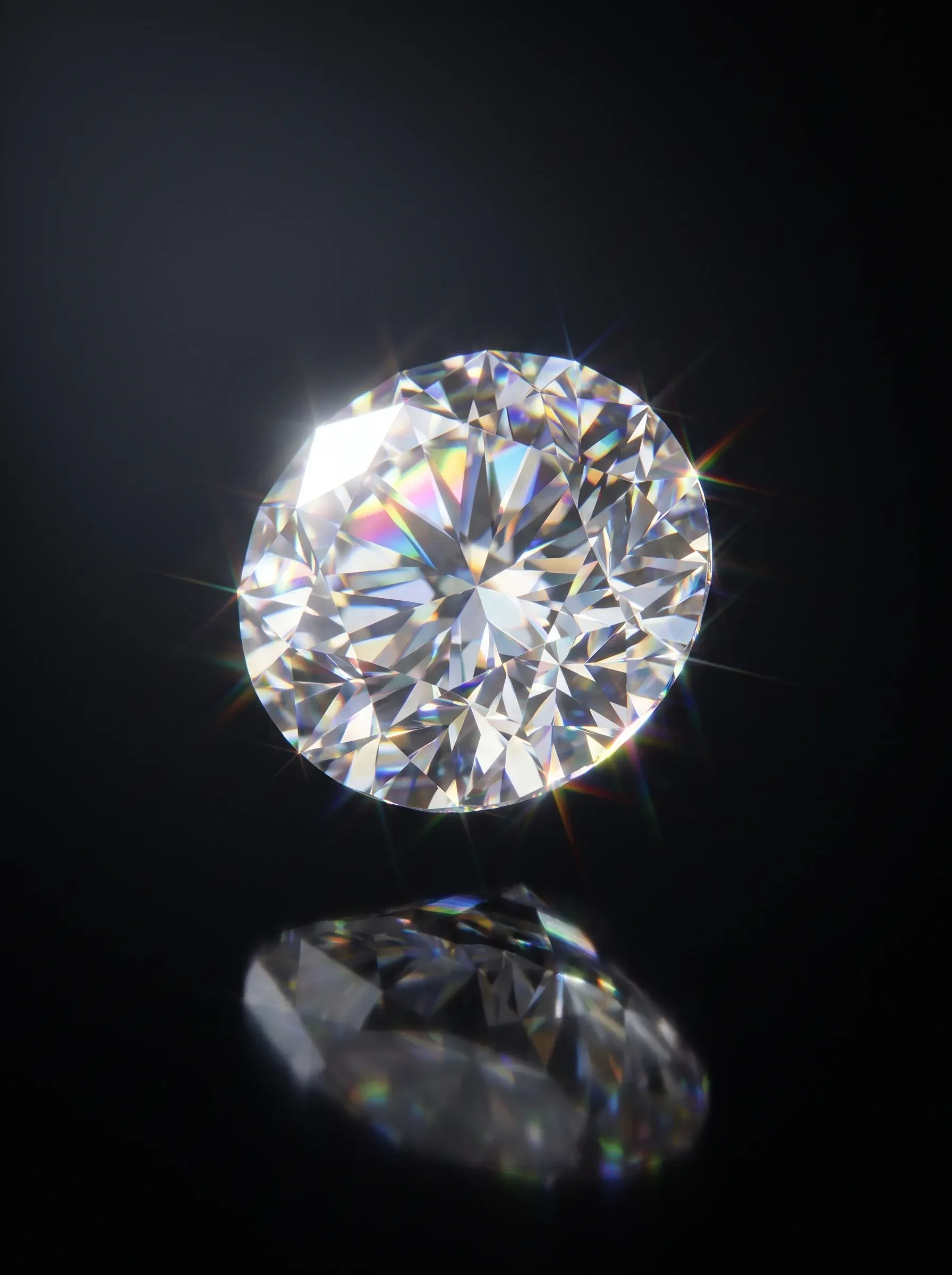
If you have ever looked at moissanite and thought it seemed extra lively, you were noticing its optical performance. Moissanite is famous for strong brilliance and even stronger fire, which creates those distinct rainbow flashes under direct light.
This is the trait that most clearly separates moissanite from diamond in real-world viewing. A diamond tends to return a cleaner white sparkle. Moissanite produces more colorful flashes, especially in bright sunlight, spot lighting, and jewelry store lighting.
What Creates Moissanite’s Remarkable Fire and Brilliance
Two things create moissanite’s look: its internal crystal properties and the way it is faceted. Because silicon carbide handles light differently from diamond, moissanite returns a combination of bright white reflections and colorful dispersion that many people notice immediately.
That is why a moissanite ring can look bigger, bolder, and more dramatic than a diamond ring of similar size. For some buyers, that extra fire is the whole appeal. For others, it is a reason to choose diamond instead. Neither reaction is wrong; it depends on the visual style you want.
The Importance of Cut in Maximizing Light Reflection
Cut has a huge effect on how any gemstone performs, and moissanite is no exception. A well-cut stone distributes light evenly across the crown and table, helping the gem look crisp rather than glassy.
When cut is poor, even a beautiful moissanite can look dull in some areas or overly splintery in others. When cut is excellent, the stone shows the balanced mix of brilliance and fire that makes moissanite stand out in rings and other jewelry.
- Round cuts emphasize sparkle and symmetry.
- Oval and elongated cuts create finger coverage and a larger face-up look.
- Step cuts show cleaner flashes and a more restrained personality than brilliant cuts.
Moissanite vs. Diamond: A Comparative Analysis
One comparison causes more confusion than any other: moissanite is lab grown, and so are lab grown diamonds — which leads people to assume they are the same thing. They are not. Is Moissanite a Lab Grown Diamond? settles that one in full.
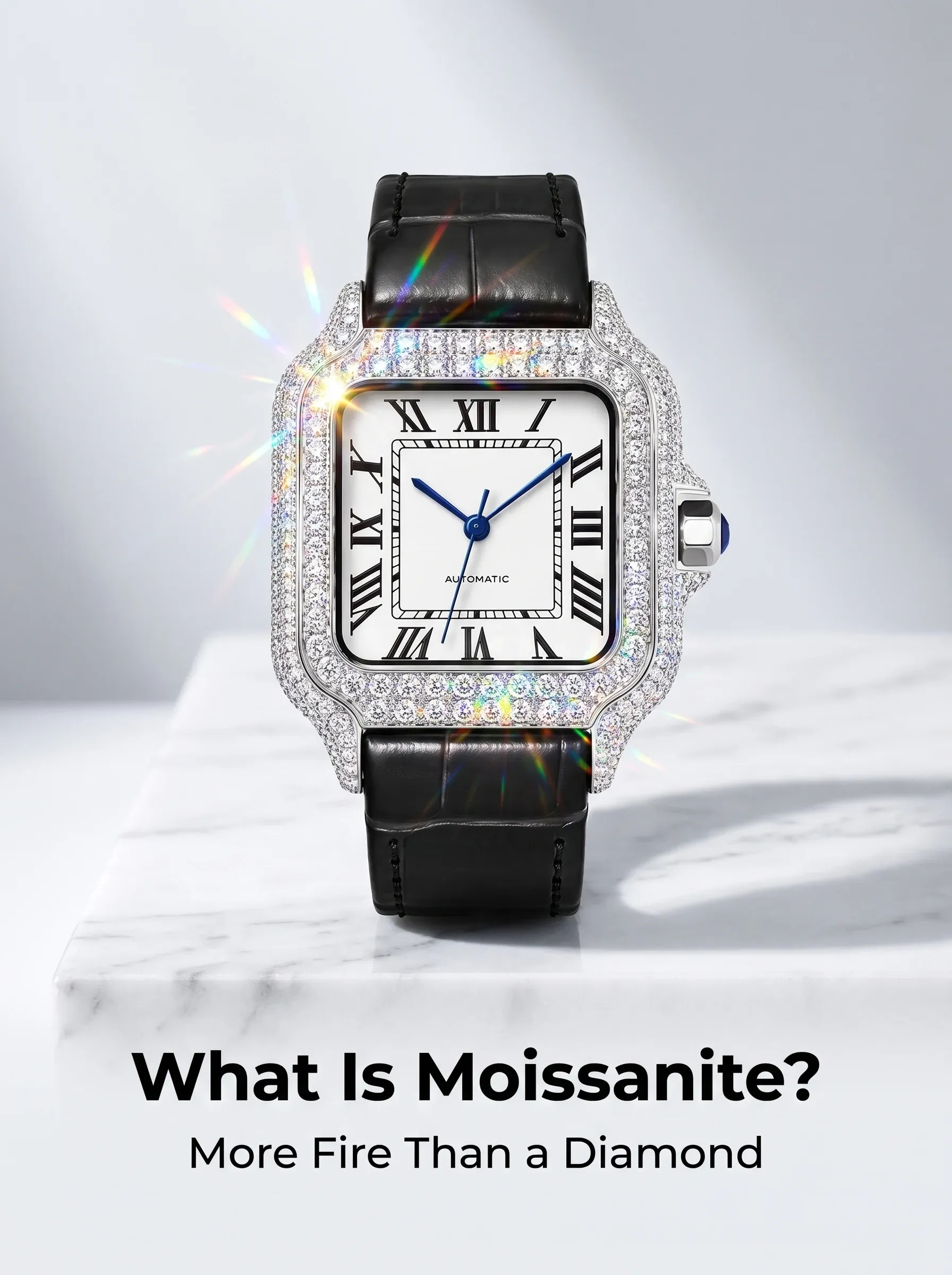
Moissanite and diamond are close enough in appearance that many people compare them side by side when shopping for a ring. The better question is not which stone is “better,” but which one matches your priorities: tradition, price, visual style, or ethical sourcing.
Moissanite is not the same as diamond, even when it looks similar from a distance. The FTC makes that distinction clearly: moissanite may resemble a natural mined diamond, but it is not the same stone.
| Criteria | Moissanite | Diamond |
|---|---|---|
| Composition | Silicon carbide | Carbon |
| Origin in jewelry | Mostly lab grown | Natural or lab grown |
| Sparkle style | Strong fire with rainbow flashes | Whiter, cleaner brilliance |
| Hardness | About 9.25 on the Mohs scale | 10 on the Mohs scale |
| Price | A fraction of the cost of a comparable diamond | Higher cost, especially for larger stones |
| Color range | Usually colorless or near-colorless | Wide grading range |
| Identity | Its own unique gemstone | A distinct gemstone with long-standing tradition |
Physical Properties, Durability, and Hardness
Moissanite is one of the most durable gemstones used in jewelry. On the Mohs scale, GIA puts it at 9.25, second only to diamond among the stones discussed here. That makes it highly resistant to scratching in everyday wear.
Durability is not only about hardness, though. A ring stone also needs toughness and stability, and moissanite performs well enough for daily use in engagement rings, wedding bands, and frequently worn jewelry. If you want a stone you can wear every day without babying it, moissanite fits that requirement.
Cost, Value, and Ethical Considerations in Jewelry
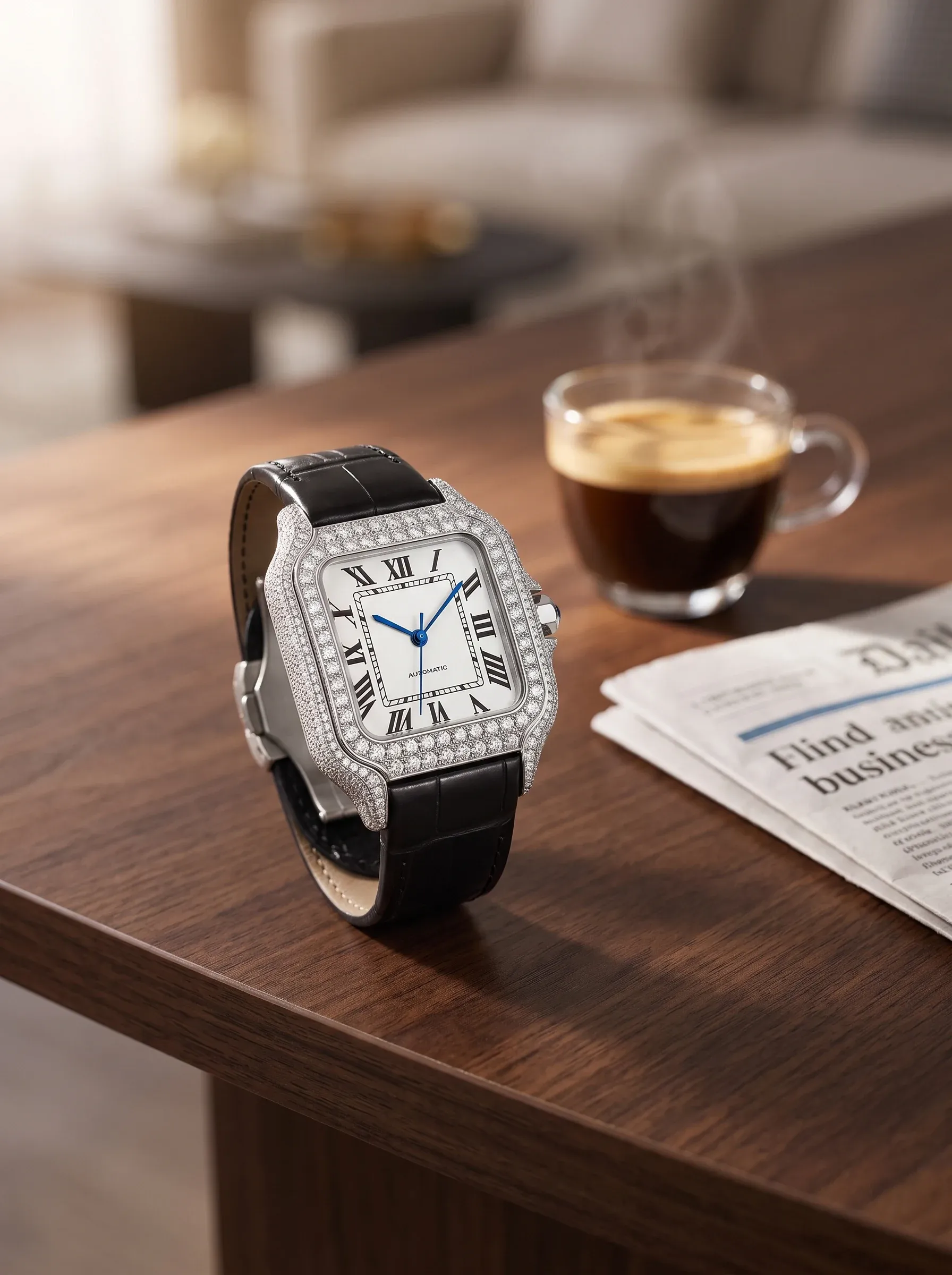
Cost is one of moissanite’s biggest advantages. A lab-created moissanite can cost four to five times less than a natural diamond while still delivering a large, bright, beautiful look. That price gap lets you choose a larger center stone, invest more in the setting, or simply spend less overall.
Value depends on what you mean by the word. If you mean visual impact per dollar, moissanite is extremely strong. If you mean long-standing luxury symbolism and traditional status, diamond still holds a different position in the market.
Ethically, moissanite appeals to buyers who want a lab-grown stone with no mining impact. That does not mean every diamond is the wrong choice. It means your decision should reflect what matters most to you: origin, tradition, size, budget, or sparkle style.
Moissanite in Jewelry and Ring Design
Moissanite works in nearly every category of fine jewelry, but it is especially popular in the ring category. Its brightness helps it stand out in solitaire settings, halo designs, and multi-stone pieces.
Because moissanite gives a lot of visual return for the price, it also suits statement jewelry. You can choose a larger stone without moving into the price territory that a comparable diamond would require.
Trending Ring Settings and Jewelry Styles
Moissanite looks especially strong in settings that let light enter the stone freely. Popular styles include:
- Solitaire rings for a clean, classic look that puts all attention on the center stone.
- Halo settings for extra brilliance and a larger overall appearance.
- Hidden halo and cathedral settings for more height and side sparkle.
- Three-stone rings for symbolism and added finger coverage.
- Stud earrings and pendants for buyers who want diamond-like brightness in everyday jewelry.
Design Considerations for Highlighting Moissanite’s Unique Qualities
Moissanite performs best when the design respects its personality instead of trying to disguise it. If you love its rainbow fire, choose open prong settings and brilliant cuts that let the stone throw light freely.
If you want a more restrained look, consider shapes and settings that calm the effect slightly, such as elongated cuts, step-cut styles, or slimmer halos. Metal color matters too: a colorless or near-colorless stone in white metal emphasizes brightness, while yellow or rose metal can create a warmer overall appearance.
Before you buy, view moissanite in different lighting. Indoor spotlights, daylight, and soft ambient light show different sides of the stone, and that helps you decide whether its fire feels exciting or too lively for your taste.
Environmental and Ethical Aspects of Lab-Grown Gems
Moissanite sits at the center of a broader shift in jewelry buying. More shoppers want stones that align with budget, transparency, and environmental values, and lab-grown gems answer that demand directly.
That does not make moissanite a perfect moral shortcut. It does make it a clear option for buyers who want a durable gemstone without the mining footprint associated with natural stones.
Sustainability Benefits of Lab-Grown Moissanite
Lab-grown moissanite offers two straightforward sustainability benefits: it avoids mining and it uses controlled production rather than geological extraction. For buyers focused on environmental impact, that is a meaningful advantage.
It also reduces the supply constraints tied to rare natural material. Natural moissanite is so rare that it is not the practical source for mainstream jewelry, while lab growth makes the stone accessible in consistent quality.
There is another transparency benefit: because moissanite is openly sold as a lab-grown gem, it is easier for you to understand what you are buying when labeling is done correctly.
Frequently Asked Questions
Is moissanite a real diamond?
No. Moissanite is not diamond. It is a real gemstone made of silicon carbide, while diamond is made of carbon.
Does moissanite lose its sparkle over time?
No. Moissanite does not lose its inherent brilliance. If it looks dull, the cause is usually surface buildup, and cleaning restores the sparkle.
Does moissanite get cloudy?
Moissanite does not permanently cloud from normal wear. Soap, lotion, and daily residue can make the surface look less bright until the stone is cleaned.
How hard is moissanite?
Moissanite ranks 9.25 on the Mohs scale, which makes it highly suitable for everyday jewelry and second only to diamond in this comparison.
Can you tell moissanite and diamond apart?
Yes, especially under strong light. Moissanite shows more rainbow fire, while diamond tends to show a whiter, more restrained sparkle. At a quick glance, many people will not notice the difference.
Does moissanite pass a diamond tester?
Some testers can be misleading because moissanite and diamond share certain performance traits, but moissanite is still not diamond. Proper identification requires the right testing method and knowledgeable evaluation.
What color does moissanite come in?
Most moissanite sold in jewelry is colorless or near-colorless. That range helps it resemble diamond while still showing its own distinctive fire.
How do you clean a moissanite ring?
Clean it with mild soap, warm water, and a soft brush. Rinse thoroughly, dry with a soft cloth, and store the ring separately from other jewelry to reduce contact scratches.
Is moissanite worth buying?
Yes, if you want strong brilliance, durability, and a lower price than diamond. It is an especially smart choice when size, sparkle, and budget matter more to you than diamond tradition.
Is moissanite better than cubic zirconia?
For fine jewelry, yes. Moissanite is more durable, has stronger brilliance and fire, and is better suited to long-term wear than cubic zirconia.
From here, two directions are worth taking: the comparison guides if you are choosing between stones, or the moissanite guides if you want grading, certificates and care covered properly.