How to Clean Moissanite
Warm water, mild soap, a soft brush, then dry it completely. The full routine, what to avoid, and when to hand it to a jeweler.
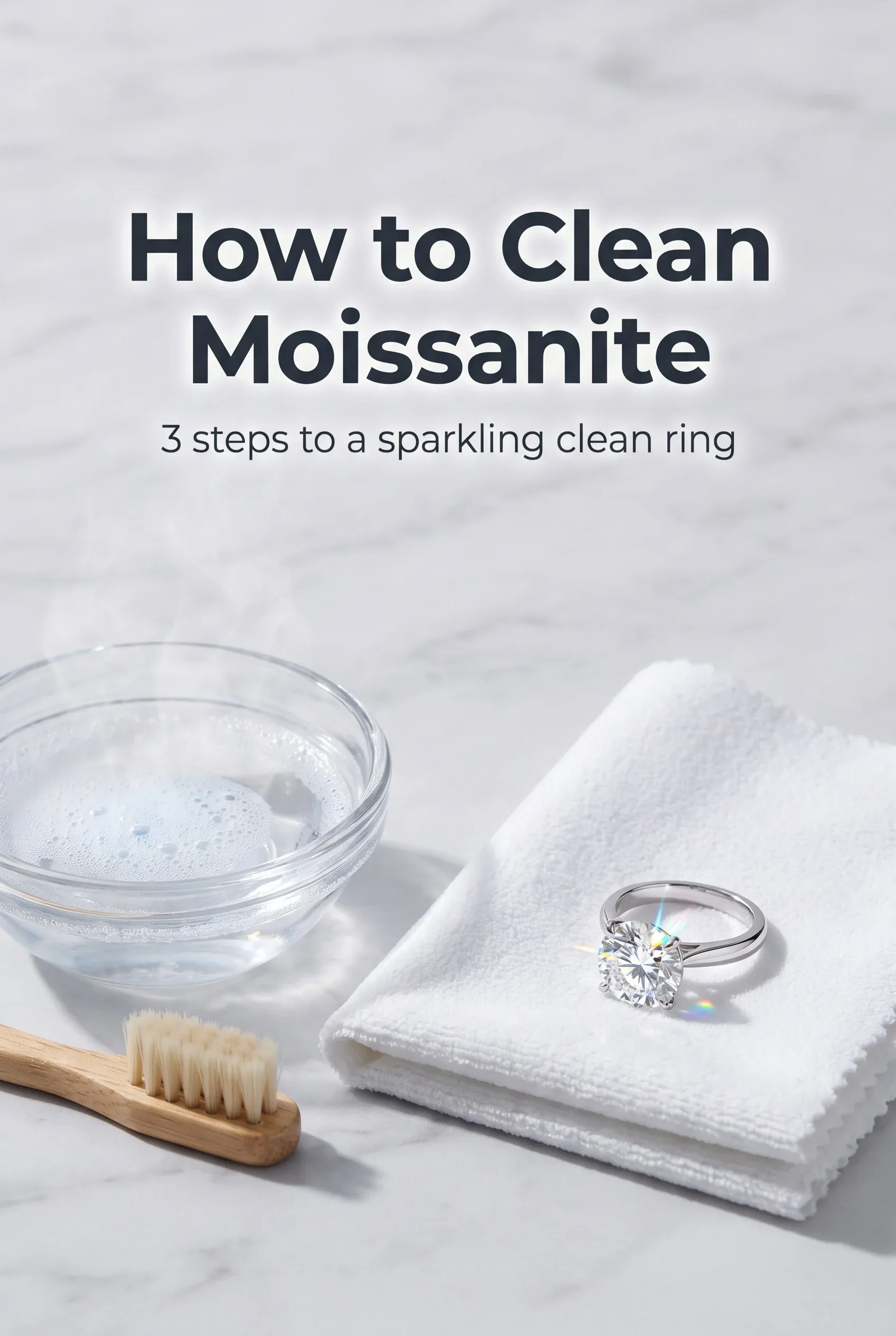
To clean moissanite, use warm water, a mild soap, and a soft brush, then rinse thoroughly and dry the jewelry completely. That simple routine removes oil, dirt, and product buildup that make a moissanite stone look dull instead of bright.
Moissanite is low maintenance, but it still needs regular cleaning to keep its fire, brilliance, and crisp sparkle. The stone itself is durable, yet the setting, metal, and hidden areas behind the gemstone collect residue quickly, especially on rings worn every day.
Introduction to Moissanite and Its Unique Brilliance
What Is Moissanite and How It Compares to Diamonds
Moissanite is silicon carbide, and nearly all of it in jewelry is lab grown because natural crystals are vanishingly rare. GIA identifies synthetic silicon carbide in the gem and jewelry market as synthetic moissanite, and near-colorless material is what you find in most rings and earrings.
In appearance, moissanite and diamond are closely related in the way they reflect light, which is why many shoppers compare them directly. Moissanite is not a diamond, but it delivers strong sparkle and rainbow fire with excellent durability, making it a practical gemstone for rings, earrings, necklaces, and other fine jewelry.
The Appeal of Moissanite Jewelry
Moissanite jewelry is popular because it offers a diamond-like look at a lower price point while staying easy to care for at home. It also attracts grease and oils less readily than many people expect, so it often stays cleaner-looking between washes.
Even so, daily wear leaves behind skin oils, lotion, soap residue, cosmetics, and dust. Once that film builds up, the stone loses brilliance fast, and the problem usually sits under the setting or around the edges rather than on the top surface alone. That buildup — not the stone itself — is why people ask whether moissanite tarnishes.
Essential Tools and Materials for Cleaning
Choosing the Right Soap, Water, and Mild Cleaners
The safest home cleaning method starts with a small bowl of warm water and a few drops of mild dish soap or another gentle liquid cleanser. Avoid abrasive products and avoid heavy, creamy soaps that leave a film behind.
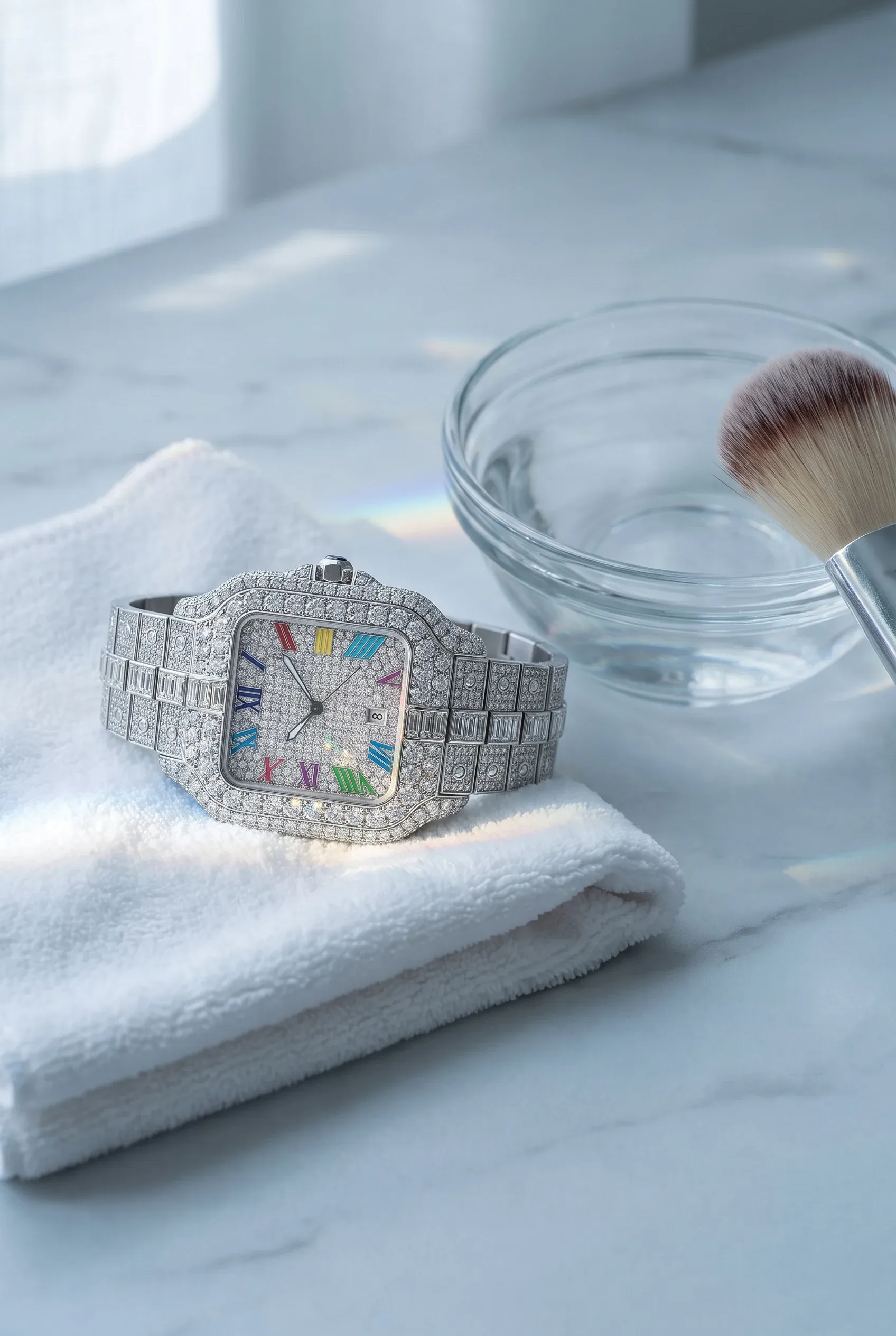
If you prefer a ready-made cleaner, use a commercial jewelry cleaner that is non-acid-based and intended for fine jewelry. That gives you a stronger cleaning solution without moving into harsh chemicals that can damage metal finishes or leave residue on the gemstone.
Selecting the Perfect Brush and Cleaning Solution
A soft-bristled toothbrush works well for most moissanite jewelry. The goal is not scrubbing force; it is reaching into small crevices, under the basket, around prongs, and along the inner edge of the setting where dirt collects.
For heavily soiled jewelry, let the piece soak in the soap-and-water solution for 10 to 20 minutes before brushing. If you use a stronger household cleaning mixture, keep it limited, rinse extremely well, and focus on the setting as much as the stone.
- Best basic tools: warm water, mild soap, soft brush, lint-free cloth
- Helpful add-ons: small bowl, commercial jewelry cleaner, hair dryer on a gentle setting
- Avoid: toothpaste, abrasive powders, rough cloths, and acidic cleaners such as vinegar
Step-by-Step Guide to Clean Moissanite Jewelry
Setting Up a Safe, Home-Based Cleaning Environment with Warm Water
Choose a clean, stable surface with good light so you can see the underside of the jewelry. Use a bowl instead of placing the piece directly under an open drain, since small rings, earrings, and pendants are easy to lose.
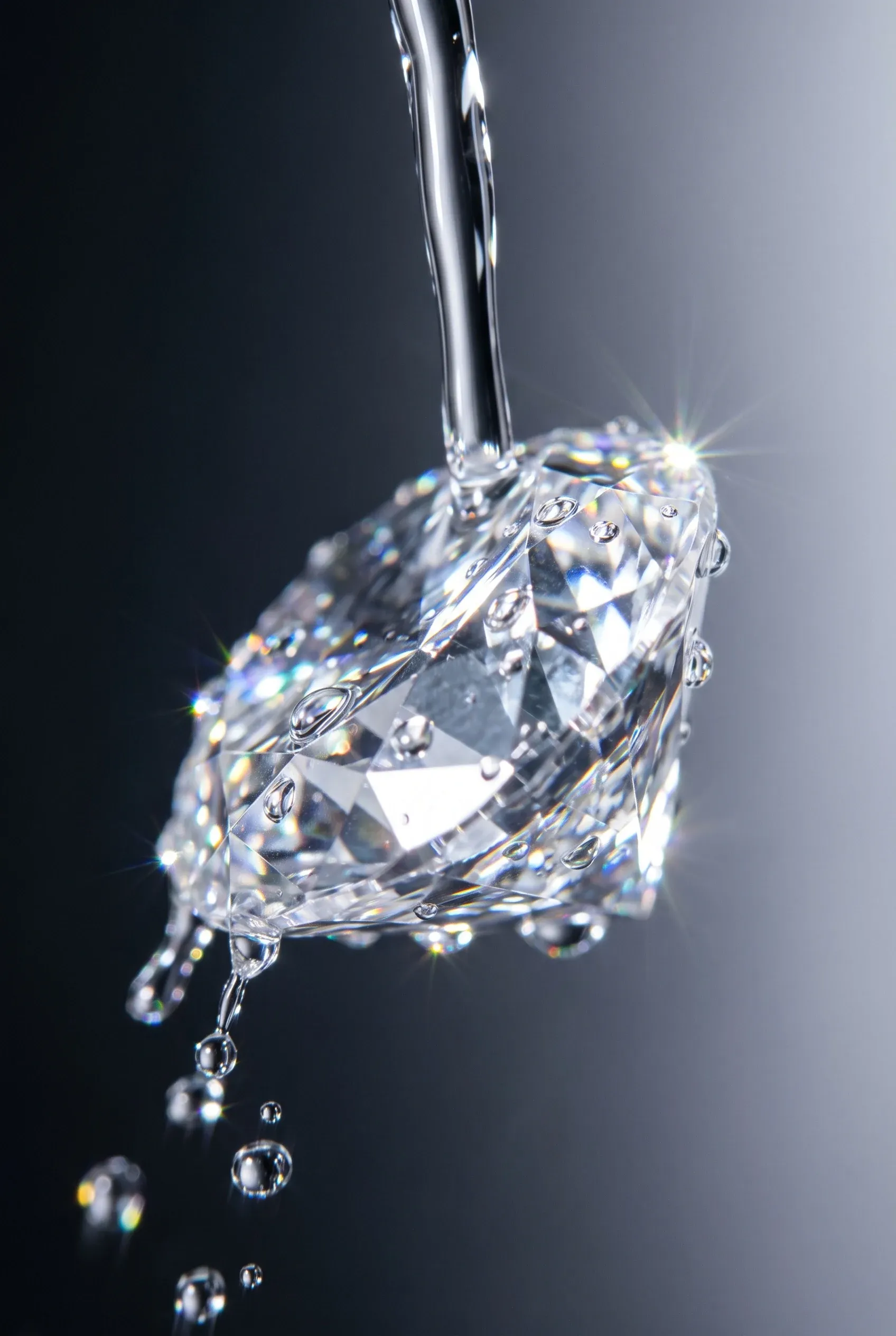
Fill the bowl with warm water, not boiling water, and mix in a small amount of mild soap. Place your moissanite jewelry into the solution and let it sit long enough to loosen body oil, dirt, and dried product residue.
The Process: Soak, Brush, Rinse, and Dry (Including Tips to Remove Dirt)
- Soak: Leave the jewelry in warm soapy water for about 10 to 20 minutes if buildup is visible.
- Brush: Use a soft brush to clean the top, sides, underside, and especially the back of the setting. On a ring, pay close attention to grooves and prongs where dirt hides.
- Rinse: Rinse thoroughly with warm running water until all soap is gone. Any leftover cleaner can leave the stone looking cloudy.
- Dry: Pat dry with a lint-free cloth or use a hair dryer to dry jewelry completely so no moisture remains in the setting.
If the stone still looks dull after one round, repeat the process instead of brushing harder. Most of the time, dullness comes from residue that needs more soaking, not more force.
Tips for Maintaining Moissanite’s Brilliance and Longevity
Effective Drying Techniques and Polishing to Prevent Dullness
Drying matters more than many people realize. Water spots, lint, and leftover soap film all reduce brilliance, even when the jewelry is technically clean.
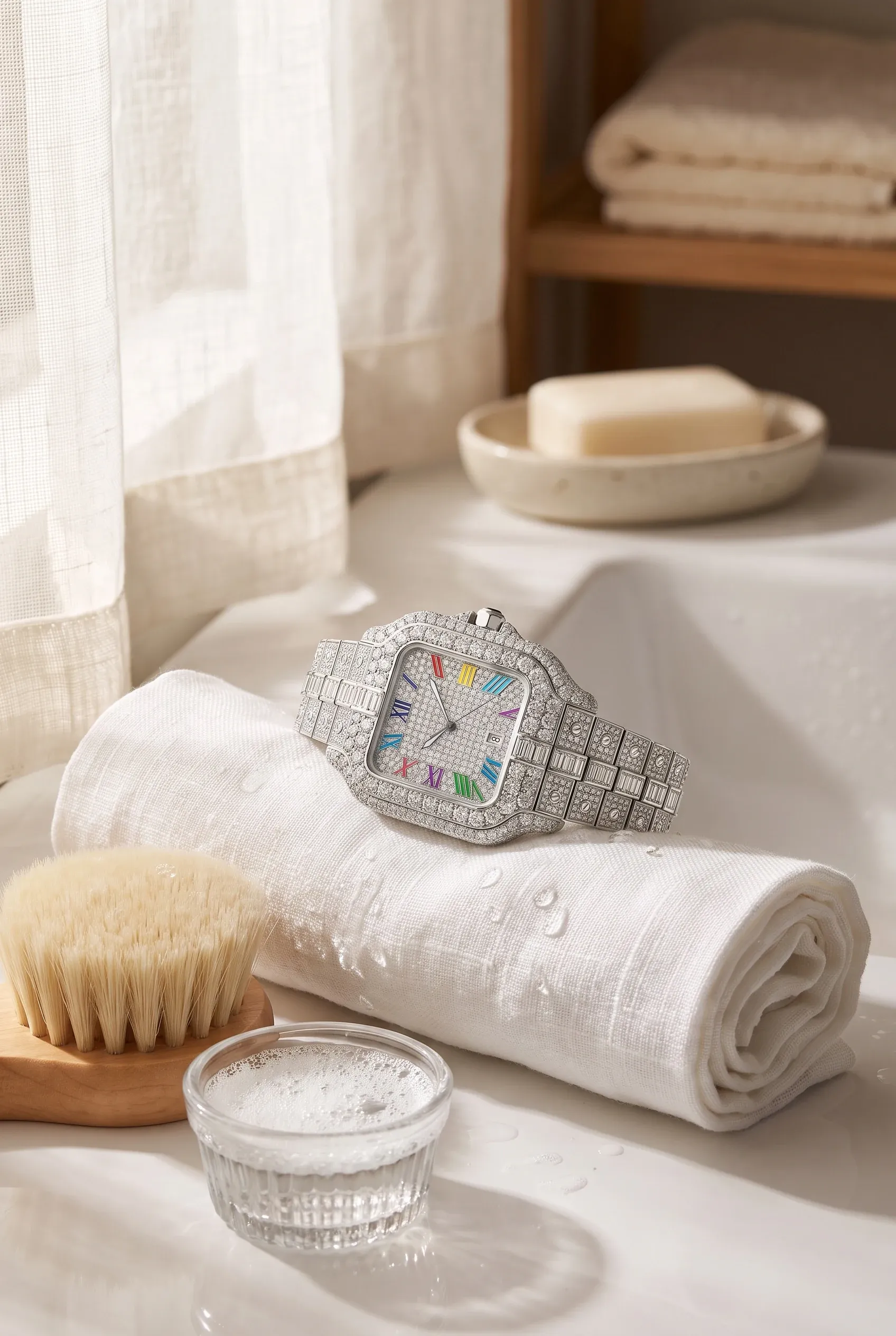
Use a soft, lint-free cloth for final drying, and make sure the underside of the gemstone is dry as well. If the metal setting looks less bright than the stone, polish the metal gently as needed, since tarnish or dull metal can make the whole piece look less clean.
Preventing Damage with Simple, Regular Care Practices
Clean moissanite jewelry about once a month to maintain sparkle, and clean daily-wear rings whenever you notice lotion, soap, or skin oil buildup. A quick wipe with a soft cloth between full cleanings helps keep residue from hardening.
Remove jewelry before sports, gym sessions, and rough work. Moissanite is highly durable, but a hard blow can still chip a stone or damage prongs and mountings.
Store each piece separately when you are not wearing it. Keeping moissanite jewelry loose in a drawer or pressed against other jewelry increases the chance of scratches on metal surfaces and unnecessary wear on the setting.
Alternative Cleaning Methods and Best Practices
When to Use Professional Cleaners Versus DIY Solutions
Home cleaning is the best first step for routine care. It is simple, inexpensive, and effective for normal dirt, oil, and everyday film.
Professional cleaning is the better choice when the jewelry still looks dull after a careful home wash, when the setting has hard-to-reach buildup, or when you want the prongs and stone checked at the same time. Professional jewelers also use ultrasonic and steam cleaning for a deeper result.
Moissanite itself is safe under normal ultrasonic cleaning. Sturdy metals such as platinum and hard gems like moissanite handle an ultrasonic bath without trouble, which is why jewelers use one routinely. That said, the stone is only part of the equation. If the setting is loose or the piece includes softer accent materials, professional handling is the safer route.
Exploring the Use of Diamond Cleaners on Moissanite
Many diamond cleaners are suitable for moissanite, but the label matters. Choose a cleaner made for fine jewelry and avoid formulas with harsh chemicals, abrasives, or strong acids.
Commercial jewelry cleaners are useful when soap and water do not fully remove film. If you use one, follow the product directions exactly, keep soak times controlled, and rinse the jewelry well afterward.
| Cleaning method | Best for | Main benefit | Main caution |
|---|---|---|---|
| Warm water and mild soap | Routine home cleaning | Safe, simple, low-cost | Needs thorough rinsing to remove residue |
| Commercial jewelry cleaner | Stubborn film and buildup | Stronger cleaning solution | Use only non-acid-based, fine-jewelry-safe formulas |
| Ultrasonic cleaner | Deep cleaning | Removes dirt from tight spaces effectively | Best when the setting is secure and the piece is structurally sound |
| Professional jeweler cleaning | Dull jewelry, yearly maintenance, setting checks | Deep clean plus inspection | Requires a visit and may not be immediate |
Cleaning Myths Worth Ignoring
Debunking Common Misconceptions
A common mistake is assuming moissanite never needs cleaning because it is durable. Durability is not the same as cleanliness. The gemstone resists scratching well, but oil, dirt, and soap film still collect on the surface and around the setting.
Another myth is that a stronger cleaner always gives a better result. In practice, mild soap, warm water, and patient brushing are the best method for most jewelry. Harsh or abrasive products create more risk for the metal than benefit for the stone.
Frequently Asked Questions
How often should you clean moissanite?
Clean moissanite at home whenever it starts to lose sparkle, and aim for about once a month for regular care. For daily-wear rings, professional cleaning once or twice a year is a smart schedule.
What is the best way to clean moissanite at home?
The best home method is warm water, mild dish soap, a soft-bristled brush, a thorough rinse, and complete drying with a lint-free cloth or gentle hair dryer.
Can you clean moissanite with vinegar?
No. Vinegar is acidic and is a poor choice for moissanite jewelry because it can affect the metal setting and does not offer an advantage over mild soap and water.
Can you clean moissanite with alcohol?
Yes, isopropyl alcohol works for quick touch-ups such as removing fingerprints and light oil, but it should not replace regular cleaning with soap, water, and a soft brush.
Can you clean moissanite with toothpaste?
No. Toothpaste is abrasive and can scratch or dull the metal setting, even if the moissanite stone itself remains unharmed.
Can you use an ultrasonic cleaner on moissanite?
Yes, normal ultrasonic cleaning is suitable for moissanite. The key concern is the condition of the jewelry setting, so skip ultrasonic cleaning if prongs are loose or the piece has structural issues.
Can diamond cleaner be used on moissanite?
Yes, many diamond cleaners work on moissanite, provided the formula is safe for fine jewelry and does not rely on harsh chemicals or abrasives. Rinse thoroughly after use.
Why does my moissanite still look dull after cleaning?
Dullness usually means there is still residue under the stone, around the prongs, or on the metal setting. Soak the jewelry longer, brush the underside more carefully, and make sure you rinse and dry it completely.